TangibleShift
In developmentA Portugal-first ERP for small businesses
A Portugal-first SaaS ERP for small and medium businesses, their accountants and owner-operators, with IVA, invoicing and SAF-T (PT) handled correctly from the start.
Sentinel runs your pull request checks on your own machines, in rootless containers, and reports them back as native GitHub checks. It is in early development; sub-minute warm checks are a goal, not a measured result.
Sentinel is a self-hosted continuous integration engine built from scratch in Rust. It is designed for fast pull request feedback, local-first caching, efficient scheduling across multiple machines, and diagnostics that both humans and coding agents can read.
The goal, not yet a measured result, is sub-minute warm PR checks on hardware that previously took five minutes or more. Every job runs in a fresh workspace at the pinned commit, inside a rootless container with all capabilities dropped and per-job limits.
Sentinel is in early development: Parts 00 to 11 of the plan are implemented. It is open source under the MIT licence.
A self-hosted CI engine in Rust
Each job runs in a fresh workspace at the pinned commit, inside a rootless container with all capabilities dropped and per-job resource limits.
Pipelines live in .sentinel.yml, a strict format of Sentinel's own, compiled by a deterministic compiler.
A GitHub App integration reports native pull request checks. Generic Git hooks and polling for Gitea, Forgejo, GitLab and bare repositories are planned.
Organisations and personal namespaces, scoped workers, and sealed tenant and repository secrets with redaction in logs.
Readable diagnostics and a Model Context Protocol (MCP) server for coding agents, plus an OAuth-authenticated command-line interface.
An embedded SQLite metadata store, and worker enrollment with pinned TLS identities.
| Status | In development |
|---|---|
| Licence | MIT |
| Source | Open source |
| Platforms | Linux (server, worker, CLI), Windows (CLI) |
| Built with | Rust, SQLite (embedded), Rootless containers, MCP, OAuth |
| Links |
Sentinel is a self-hosted continuous integration engine built from scratch in Rust. It is designed for fast pull request feedback, local-first caching, efficient scheduling across multiple machines, and diagnostics that both humans and coding agents can read.
Yes. Sentinel is open source under the MIT licence and free of charge. The source is on GitHub at github.com/RusticStack/sentinel.
Not yet. Sentinel is in early development: Parts 00 to 11 of the plan are implemented.
The goal, not yet a measured result, is sub-minute warm PR checks on hardware that previously took five minutes or more.
Each job runs in a fresh workspace at the pinned commit, inside a rootless container with all capabilities dropped and per-job resource limits. Tenant and repository secrets are sealed and redacted in logs.
A GitHub App integration reports native pull request checks. Generic Git hooks and polling for Gitea, Forgejo, GitLab and bare repositories are planned.
Pipelines live in .sentinel.yml, a strict format of Sentinel's own, compiled by a deterministic compiler.
Yes. Sentinel provides readable diagnostics and a Model Context Protocol (MCP) server for coding agents, plus an OAuth-authenticated command-line interface.
The server, workers and CLI run on Linux, and the CLI also runs on Windows. Metadata is kept in an embedded SQLite store, and workers enroll with pinned TLS identities.
· Company
Lockwell object storage, the Sentinel CI engine, the TangibleShift ERP, the Komorebi email client, two game tools and a Pico CSS fork: what each is for.
A Portugal-first ERP for small businesses
A Portugal-first SaaS ERP for small and medium businesses, their accountants and owner-operators, with IVA, invoicing and SAF-T (PT) handled correctly from the start.
A small, fast, private email client for Windows
Komorebi is an IMAP email client for Windows 10 and 11. It works with any IMAP and SMTP server, blocks remote content by default, and has no telemetry, no ads and no AI.
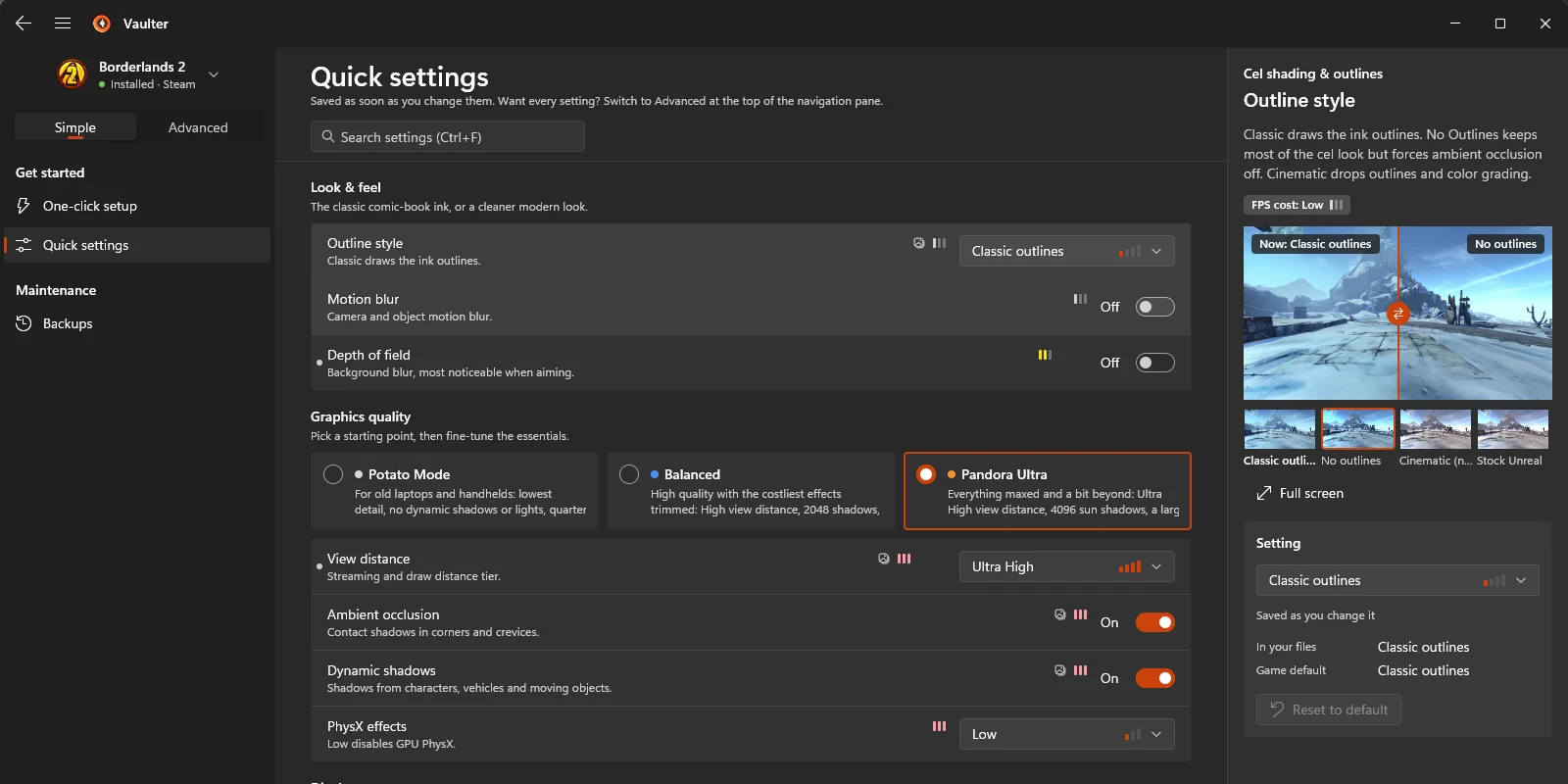
Tune, patch and mod Borderlands 2
Vaulter explains 82 Borderlands 2 settings in plain words with side-by-side previews, applies graphics tuning and bug fixes, and backs up every change so you can undo it.