What RusticStack makes and who it's for
Lockwell object storage, the Sentinel CI engine, the TangibleShift ERP, the Komorebi email client, two game tools and a Pico CSS fork: what each is for.
RusticStack makes self-hosted infrastructure, business software for Portugal, desktop apps and a few free tools for players. This post is a map: what each product does and who it is for. Each product page carries its current status, version and the details that change over time.
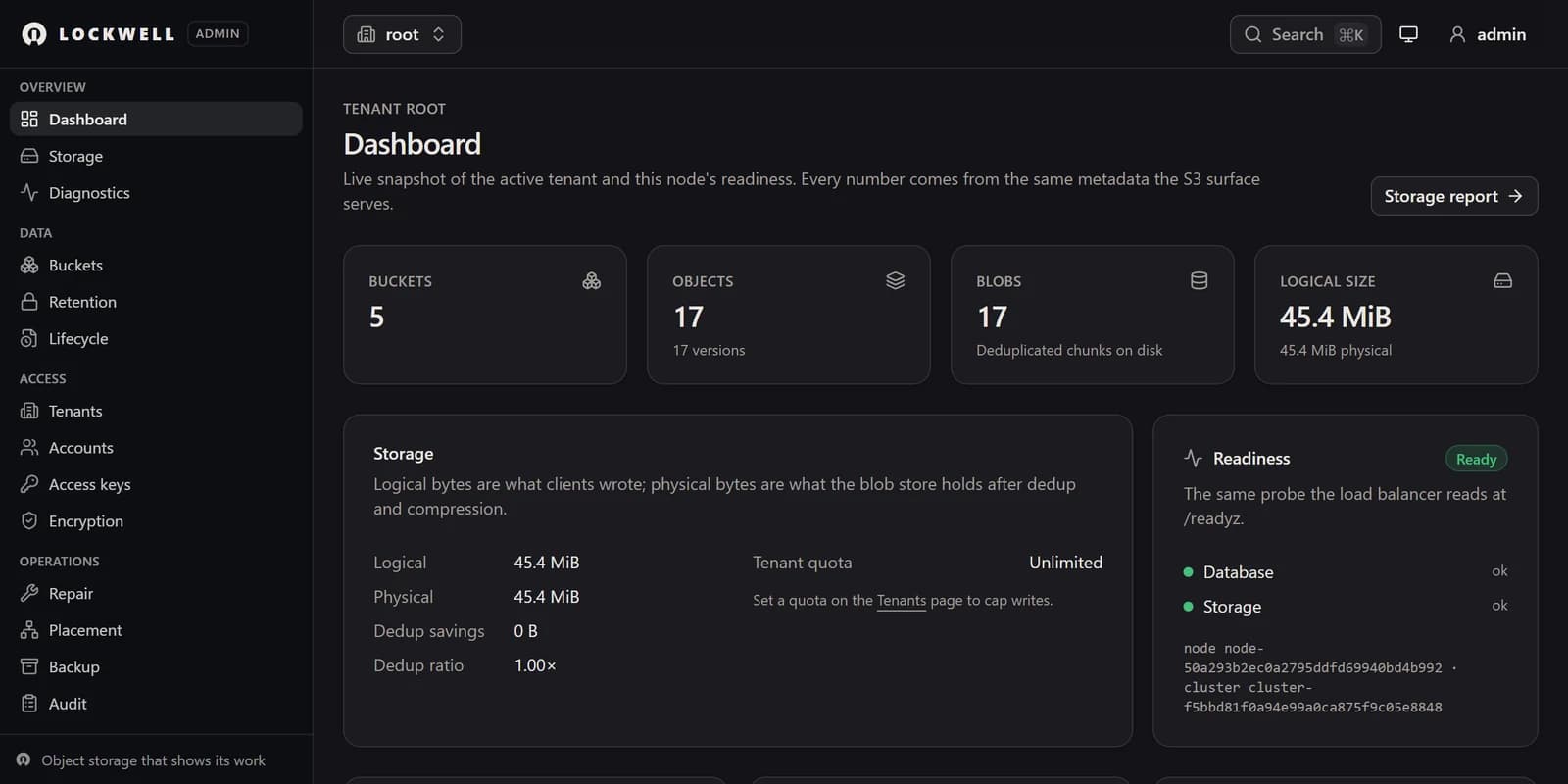
Lockwell: object storage you run yourself
Lockwell is private, self-hosted, S3-compatible object storage. It is for teams that want to keep their files on their own servers and still use the S3 API they already know.
It ships as a single binary with an embedded database (BadgerDB), so it runs as one container with one volume. There is no external database, broker or cache to look after, and a 1 vCPU / 1 GiB VPS handles small workloads.
Lockwell is private by design. There are no public buckets and no anonymous reads: every request carries a tenant key. Encryption at rest is always on, using AES-256-GCM or XChaCha20-Poly1305 with per-tenant data keys. When a client makes an S3 call Lockwell does not support, it fails loudly instead of silently pretending to work.
The S3 API covers SigV4, versioning, multipart uploads, presigned URLs, Object Lock and lifecycle rules. There are first-party Go, Node and Java SDKs, signed webhooks, and a migration planner for moving from other S3-compatible stores. The documentation is public, and access is by request.
Sentinel: a self-hosted CI engine in Rust
Sentinel is a continuous integration engine built from scratch in Rust. It is for teams that want pull request checks running on their own machines, with fast feedback, local-first caching, efficient scheduling across several machines, and diagnostics that are easy to read for people and for coding agents.
Jobs run in a fresh workspace at the pinned commit, inside a rootless container with all capabilities dropped and per-job limits. Pipelines use Sentinel's own strict format (.sentinel.yml) with a deterministic compiler, a GitHub App reports results as native pull request checks, and a Model Context Protocol (MCP) server lets coding agents work with it. Sentinel is open source under the MIT licence.
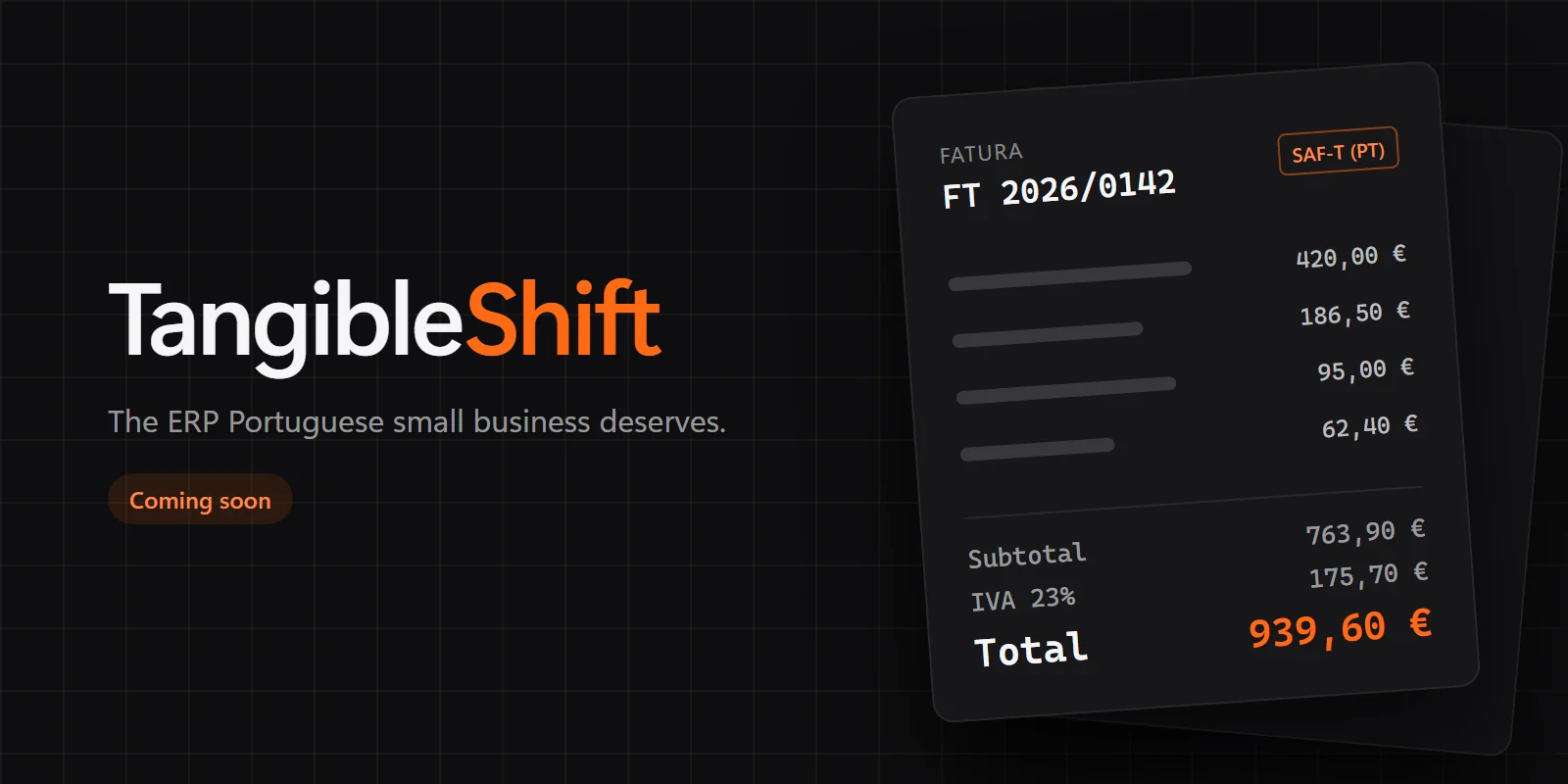
TangibleShift: an ERP for Portugal
TangibleShift is a Portugal-first SaaS ERP for small and medium businesses, their accountants and owner-operators. It is being built around clear licensing, simple modular workflows and painless data migration, with correct Portuguese fiscal behaviour from the start: VAT (IVA), invoicing and SAF-T (PT). It is SaaS and runs in the browser.
Komorebi: a private email client for Windows
Komorebi is a small, fast email client for Windows 10 and 11, for people who want their email without telemetry, ads or AI. Passwords are kept in Windows Credential Manager, remote content is blocked by default, and there is undo send.
It speaks IMAP and SMTP, with presets for Purelymail and Postale.io and a guided manual setup for self-hosted mail servers. It supports multiple accounts with a combined All inboxes view, in English and European Portuguese, and it is built with Rust and Slint on a local SQLite cache.
Vaulter and Scribe: free tools for players
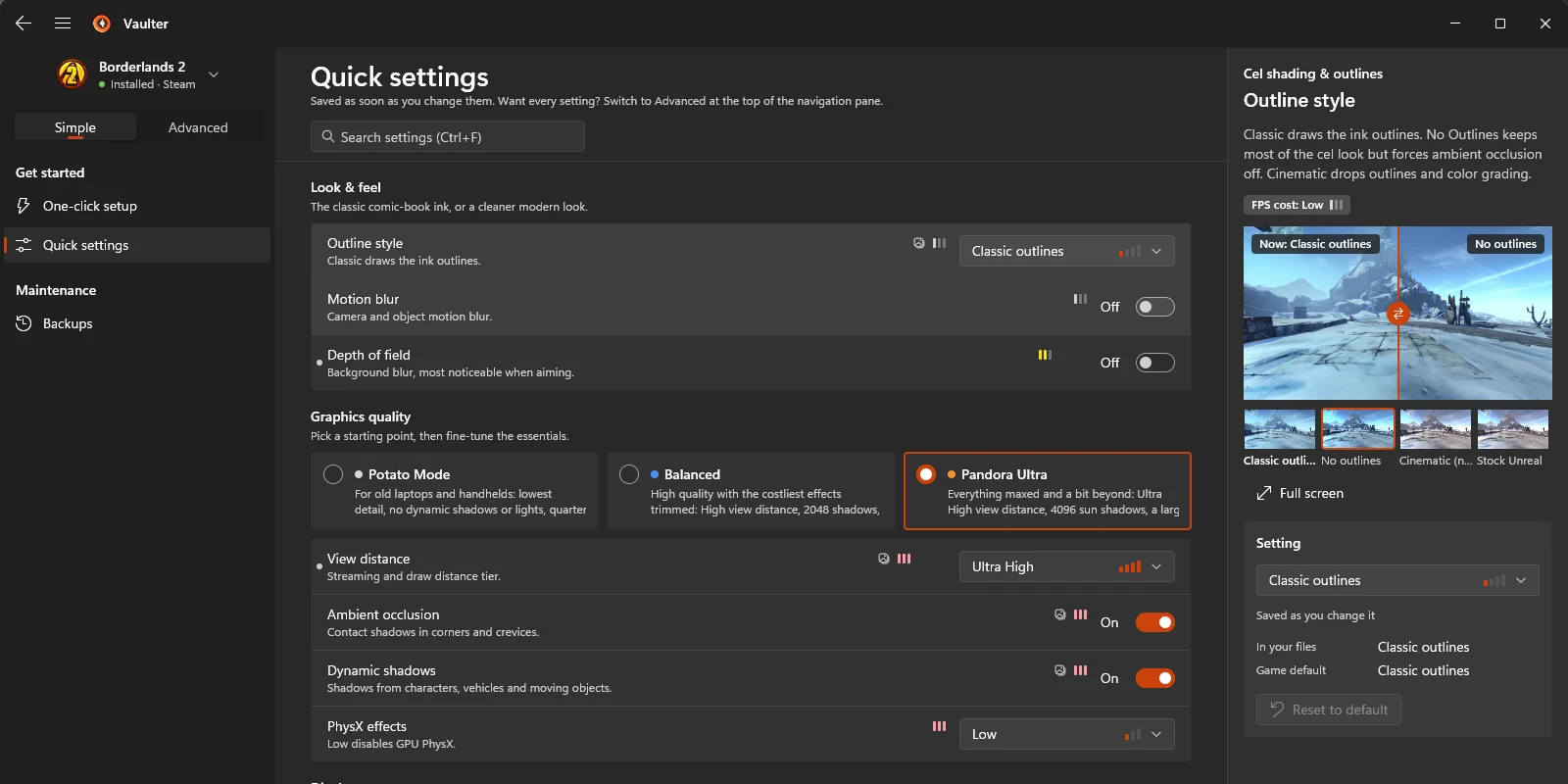
Vaulter is a native Windows 11 app for Borderlands 2, Borderlands: The Pre-Sequel and the GOTY Enhanced edition. It is for players who want better graphics, fewer crashes, mods and bug fixes. Setup takes one click, each setting is explained in plain words with side-by-side previews, and every change is backed up so it can be reversed. It is free and open source under GPL-3.0, and it is an unofficial fan tool, not affiliated with Gearbox or 2K.
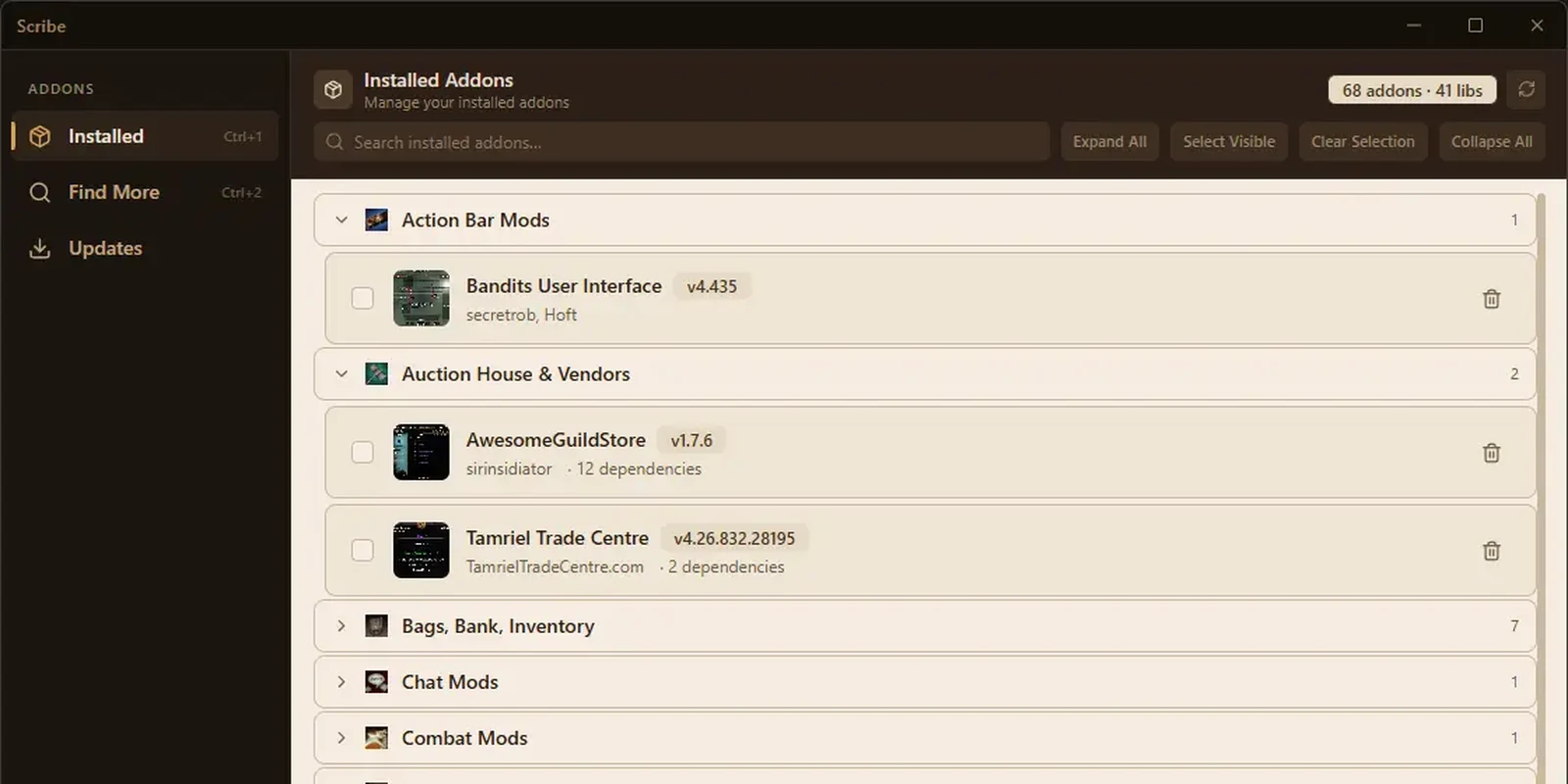
Scribe is a fast addon manager for The Elder Scrolls Online. It installs, updates and removes addons in one click and handles their dependencies for you. It is free and open source under the MIT licence, and unofficial: not affiliated with ZeniMax Online Studios.
Both tools are gathered on the game tools page.
Pico Reforged: Pico CSS, carried forward
Pico Reforged is a fork of Pico CSS, the minimal CSS framework that styles plain, semantic HTML with minimal classes. It is for sites built on Pico CSS that want it to keep moving forward with modern CSS after the upstream project announced the end of its maintenance. Pico CSS is MIT licensed, the fork is too, and the credit for Pico CSS belongs to its original authors, with whom the project is not affiliated.
Where to go next
Every product has its own page with the current status, platforms, licence and answers to common questions; the products page lists them all. New releases and status changes appear on the blog and in the RSS feed. Questions go to hello@rusticstack.com.
Tags
- self-hosted
- open source
- rust